
Body:
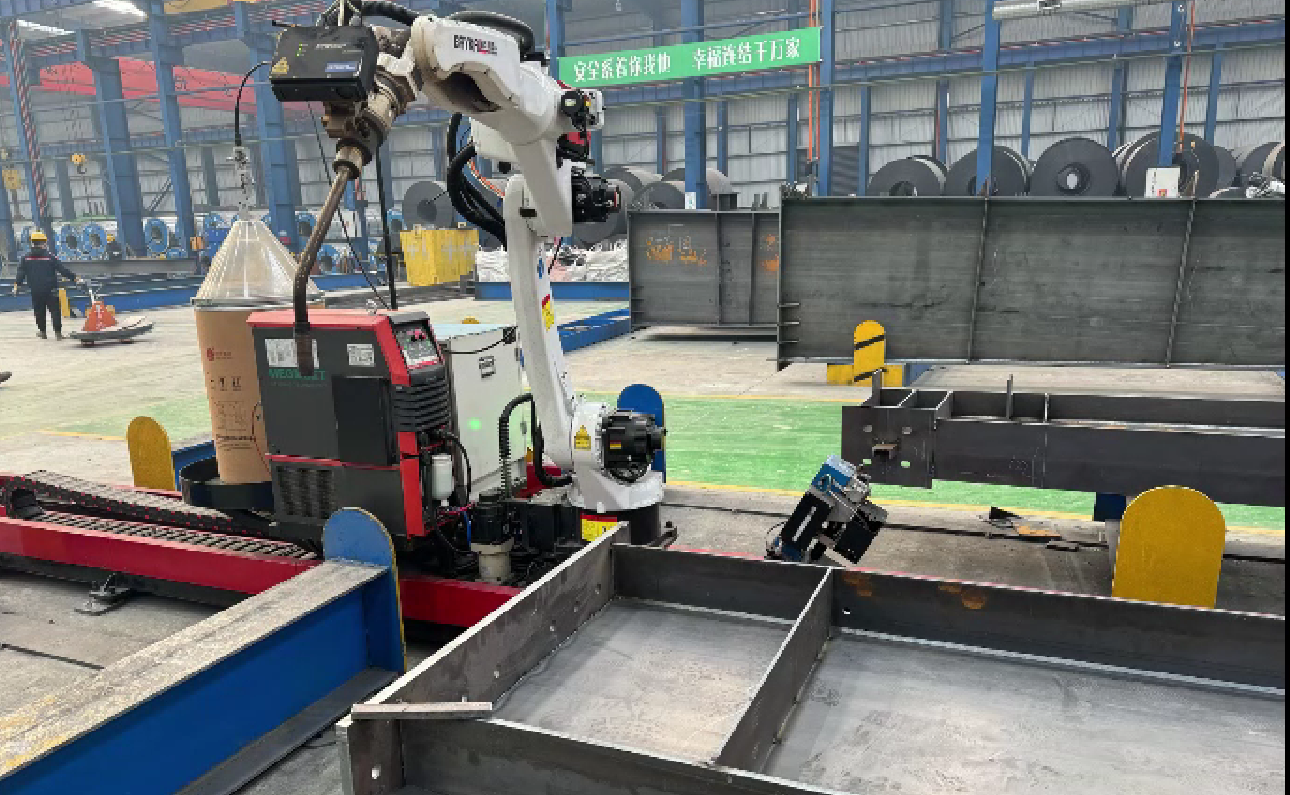
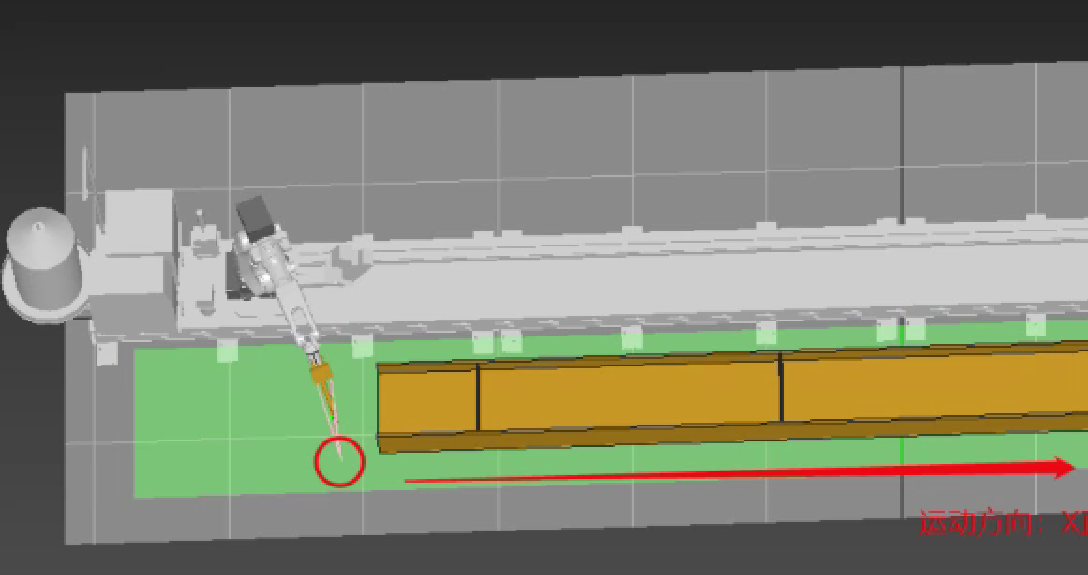
Arc welding robot offline programming (OLP) is an advanced method that enables engineers to plan and validate welding procedures via computer simulation software without occupying the physical robot. By allowing detailed programming and testing of weld paths, parameters, and motion sequences in a virtual environment, OLP effectively mitigates the inefficiencies and downtime associated with traditional teach pendant programming. This technology has demonstrated significant value across several critical domains.
1. New Product Prototyping: Accelerating Time-to-Market
During the design and prototyping phases, OLP dramatically shortens development cycles. Engineers can import CAD models to accurately configure torch angles, arm configurations, travel speeds, power settings, and trajectories within a virtual environment. This “simulate-first” approach allows teams to identify and resolve potential issues before physical production begins, optimizing welding plans while reducing material waste and costly rework.
2. Production Line Retrofitting: Ensuring Seamless Transition
When upgrading or modifying existing production lines, OLP facilitates a smooth transition by minimizing disruption. Programming and validation can occur concurrently while the current line is still operational. Once the physical retrofit commences, pre-verified programs can be deployed immediately, significantly reducing downtime and ensuring business continuity.
3. Complex Welding Tasks: Enhancing Precision and Quality
For intricate operations such as multi-layer/multi-pass welding, skip welding, or spatial curve welding, OLP ensures high precision and consistency. Simulation software allows for meticulous trajectory planning and parameter optimization, mitigating the errors common in manual teaching and improving the overall quality and first-pass yield of complex fabrications.
4. Mass Production: Standardization and Scalability
In high-volume manufacturing environments, OLP supports efficient batch deployment. Engineers can program and optimize routines for multiple robots simultaneously in an offline setting before deploying them to the shop floor. This eliminates the need for individual teach-in sessions, standardizes cycle times, and maximizes throughput.
5. Education and Training: A Safe, Virtual Learning Environment
OLP systems serve as ideal platforms for remote education and skill development. Trainees can immerse themselves in realistic welding simulations without the need for expensive hardware or consumables. This digital twin approach provides a risk-free environment for mastering programming logic and operational techniques, accelerating workforce training while lowering costs.
Post time: Aug-06-2026